Issue No. I - Feature
Restaurant Growth
Every City Tells a Different Story.
A national editorial campaign for Sauce, a restaurant delivery platform, that reframed delivery as a portrait of American cities rather than another round of think pieces about tickets and margins.

Plate I
Establishing frame - Restaurant Growth, Summer 2026.
Photograph - Cover study
The Challenge.
Sauce was publishing regularly and ranking okay, but every article stood alone. Traffic was flat. Newsletters kept repeating headlines. And the sales team had nothing to share with prospects beyond a blog link. The restaurant delivery space was full of the same operational advice everywhere.
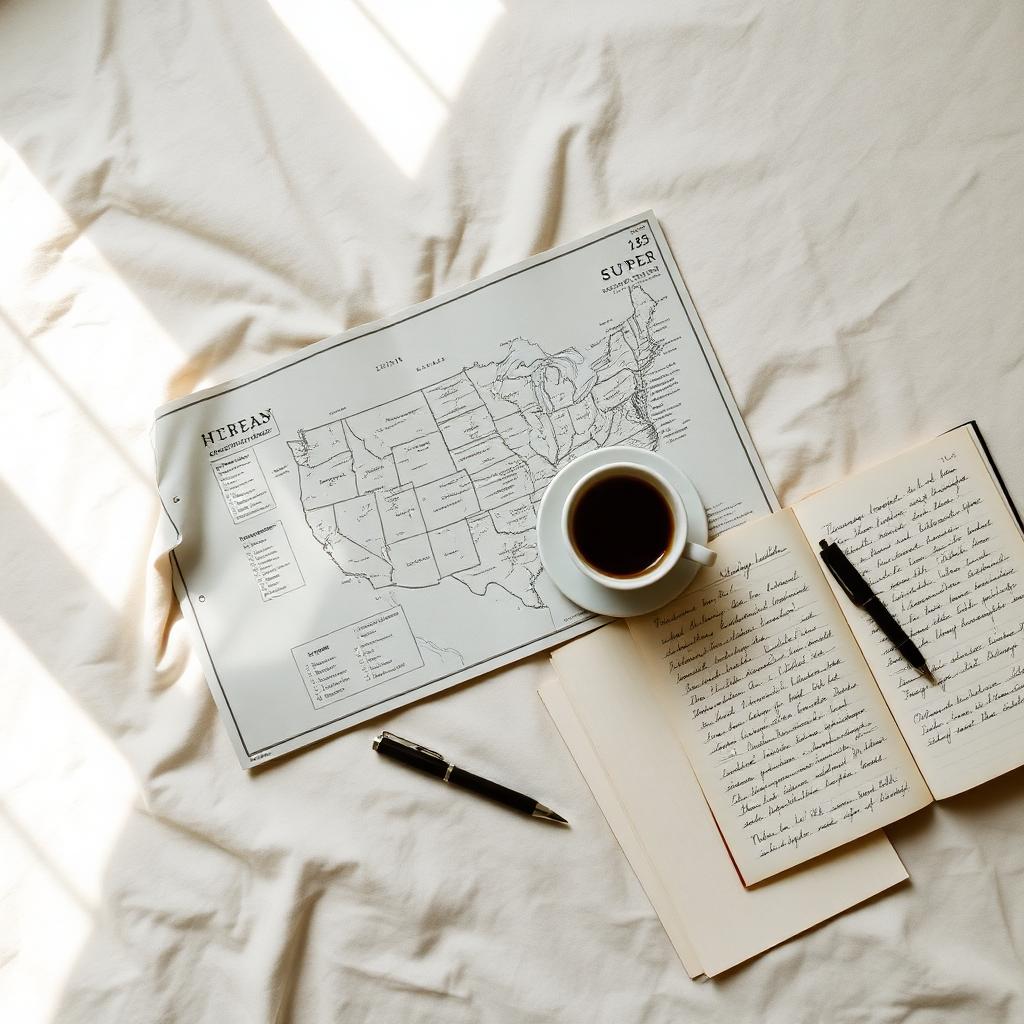
Plate II
Notes from the early strategy session - mapping cities to reader questions.
Photograph - Editorial archive
A pull quote
“Delivery is not just a logistics problem. It shows what a city eats, when it orders, and how it lives. That is a story worth telling.”
- From the campaign brief
The Strategy.
Instead of a typical content calendar, I built a campaign around one simple idea: delivery tells you something about a city, not just about logistics. I wrote a season of coordinated pieces, each tied to a different American city and a real question readers had. Every piece pointed back to the same central idea.
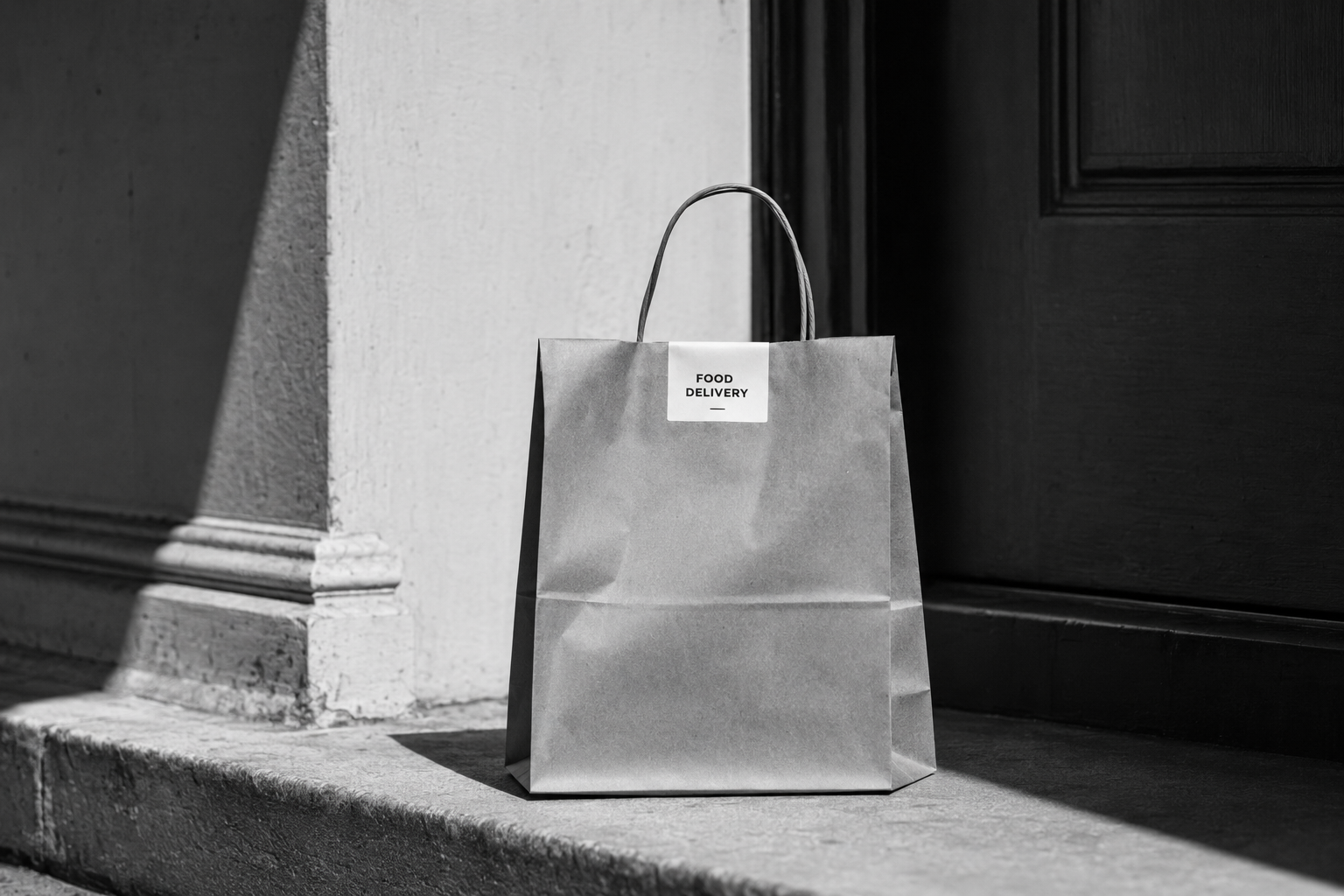
Plate III
Photograph - Editorial study
The delivery bag as still life - an ordinary object made monumental by light and placement.
III.
The Editorial Thinking.
Most content calendars ask what to publish this week. Editorial strategy asks what people should remember you for. I wrote the season as a series, so each article could stand on its own for SEO and also lead readers to the next piece. The newsletter, sales deck, and press pitch all came from the same idea - not five separate projects.
Marginalia - the editorial mode differs from the content mode in one small way: it treats the reader as someone who might reread.
IV.
What the campaign makes.
The pieces produced under the campaign - each one designed to earn its keep on its own and to feed the next.
01
Long-form blog
02
Drip email
03
Newsletter
04
Website article
05
CTA
06
Internal linking
07
SEO
08
Editorial review
09
Images
10
Patient education
VI.
The Campaign Gallery.
City-anchored articles from the series - each a portrait of delivery culture in a different American market - plus a sustainability chapter for Earth Month.
07 pieces

New York
No. 01
Escape From New York: How Summer's Weekend Exodus Reshapes Restaurant Delivery
A look at how seasonal migration patterns change what, when, and where New Yorkers order.
Read the article →
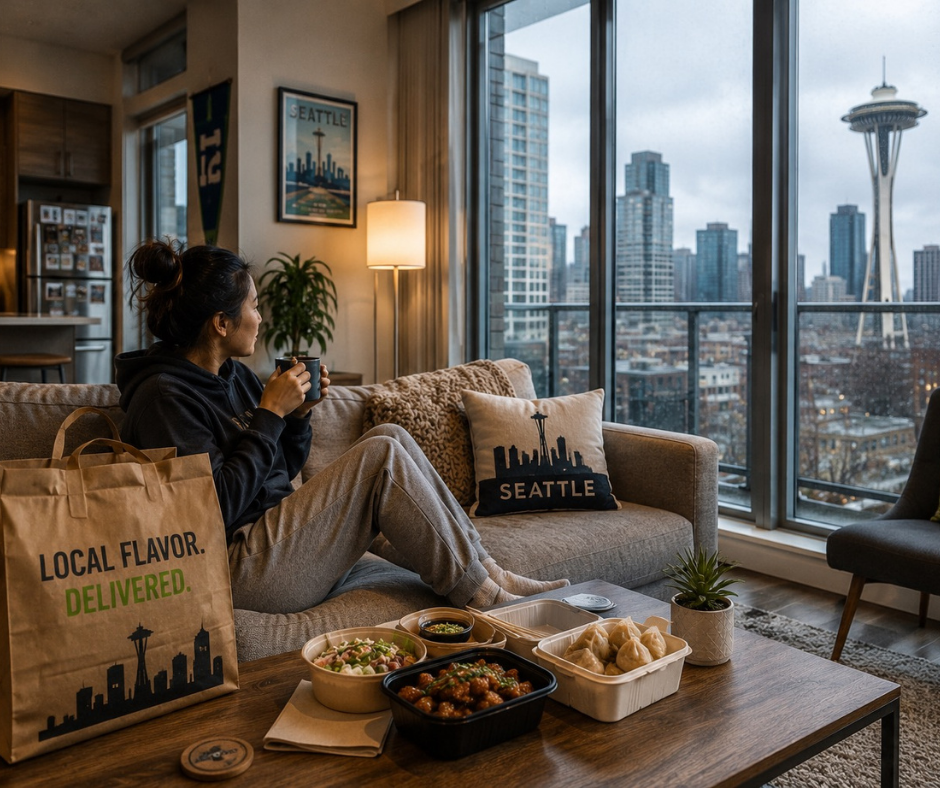
Seattle
No. 02
Why Seattle May Be One of America's Most Delivery-Dependent Cities
The habits, weather, and urban layout that make delivery infrastructure essential in Seattle.
Read the article →
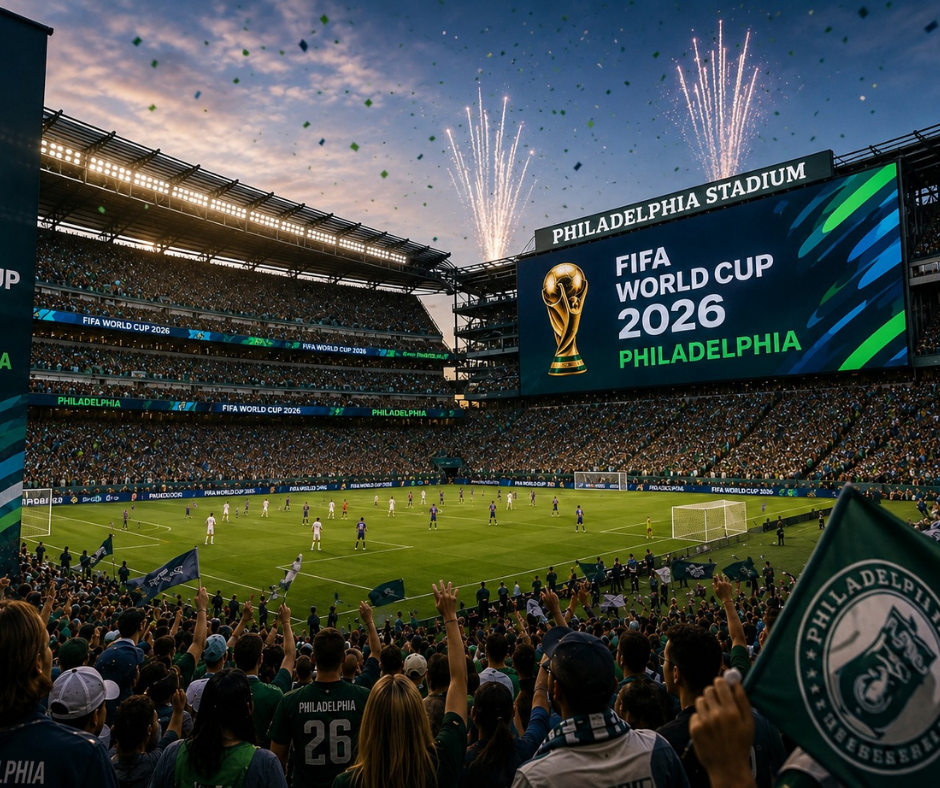
Philadelphia
No. 03
Philadelphia's 39-Day FIFA Fan Festival Could Be a Delivery Opportunity Restaurants Can't Ignore
How a major tournament can reshape demand for a city and the operators ready to meet it.
Read the article →

Miami
No. 04
Miami After Midnight: Why Late-Night Delivery Never Sleeps
Tracing the rhythms of a city that eats after hours - and what it means for restaurant kitchens.
Read the article →
Orlando
No. 05
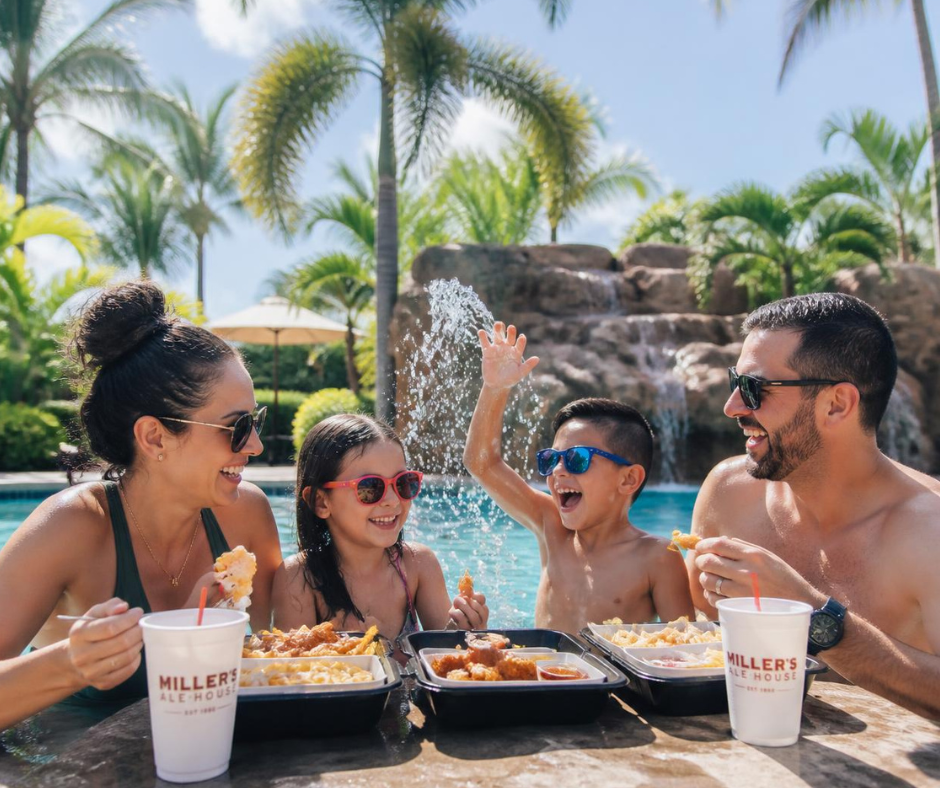
The Theme Park Effect: Orlando Tourism and Restaurant Delivery
How tourism density shapes Orlando's delivery market and the operators competing beyond the parks.
Read the article →
New Jersey / World Cup
No. 06
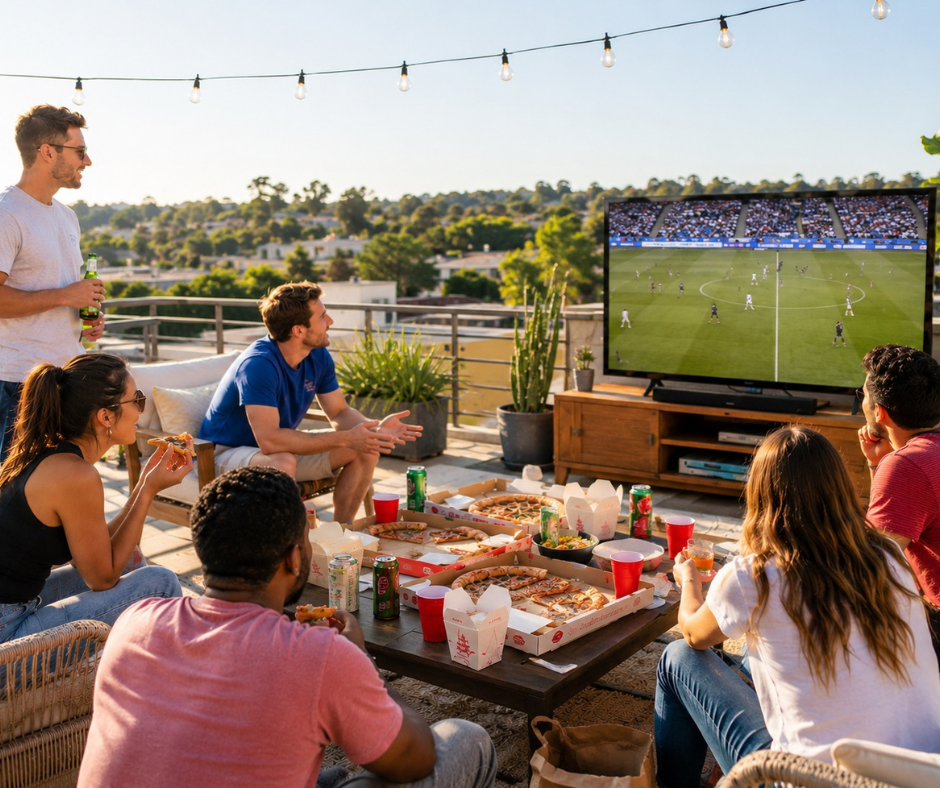
Restaurant World Cup Final Delivery Strategies
Tactical moves restaurants can make when a global event turns a metro area into a twenty-four-hour kitchen.
Read the article →
Sustainability
No. 07
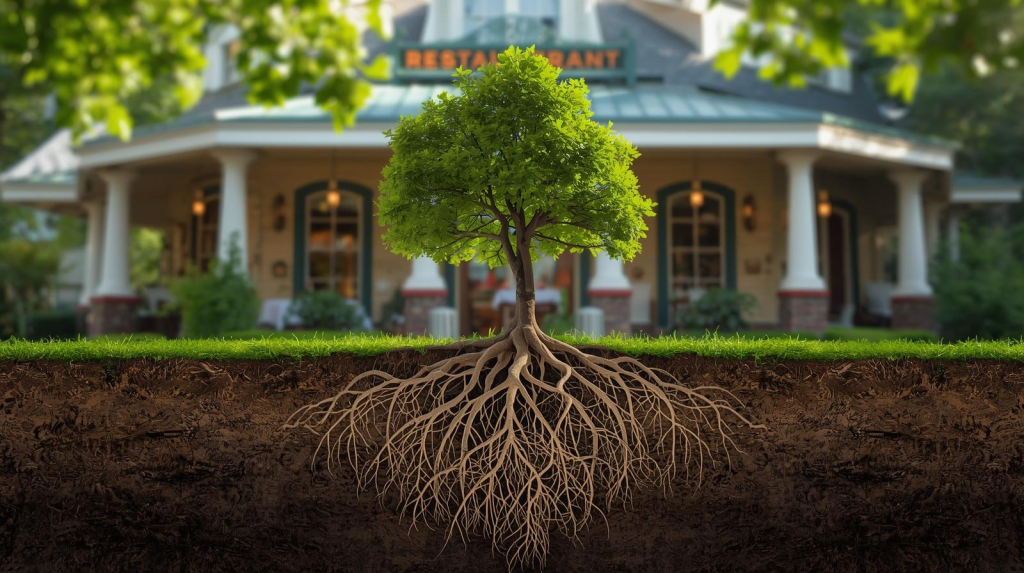
Rooted in Responsibility: Earth Month Restaurant Strategies
How restaurants can turn Earth Month into a credible, year-round story - from sourcing and packaging to the language they use with guests.
Read the article →
V.
Results.
What the campaign did in the world after it left the studio.
- 01
First quarter of coordinated growth in organic traffic in over a year
- 02
Newsletter open rate lifted into the mid-40s and held
- 03
Campaign pieces cited in trade press and picked up by two national newsletters
- 04
Sales team began leading pitches with the campaign, not the product
Colophon
Text set in Cormorant Garamond and Karla. Editorial direction, writing, and campaign architecture by Eileen Honey Strauss.
Issue
Issue No. I
Summer 2026 · Restaurant Growth
Correspondence
Send a brief →In the same volume
Return to the Journal →
N° 02 - Fashion Storytelling
Editorials that Keep Working After the Photo Shoot
For Mrs. Momma Bear, I turned one-off fashion editorials into a repeatable ecosystem. Every shoot fed a blog, a newsletter, a social run, and a press moment.
N° 03 - Editorial Operations
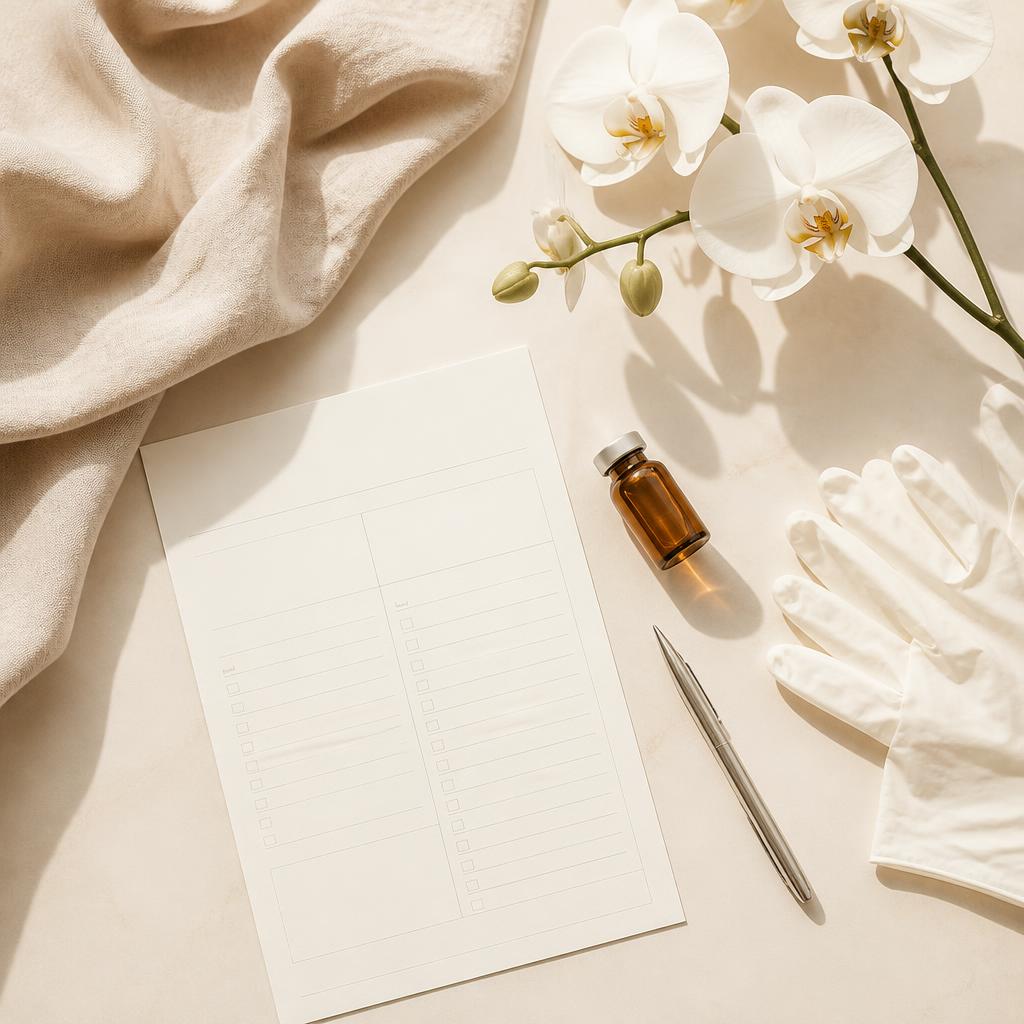
Medical Aesthetics in Plain Language.
How editorial strategy helped Dr Bernard Beldholm and Body Contouring Surgery Center turn complex medical information into authoritative, patient-first education across a website of hundreds of articles.
N° 04 - Search & AI
How AI Is Changing the Restaurant Industry One Byte at a Time.
A running series for Sauce exploring how AI is changing restaurant discovery, search, reviews, operations, and customer behavior, including what happens when the search engine answers the question instead of sending the customer to the restaurant.